Discover the top materials for Colorado landscape builds in Broomfield. Expert guide to hardscape, stone, pavers, and mulch that withstand Front Range weather.
Top Materials for Colorado Landscape Builds in Broomfield
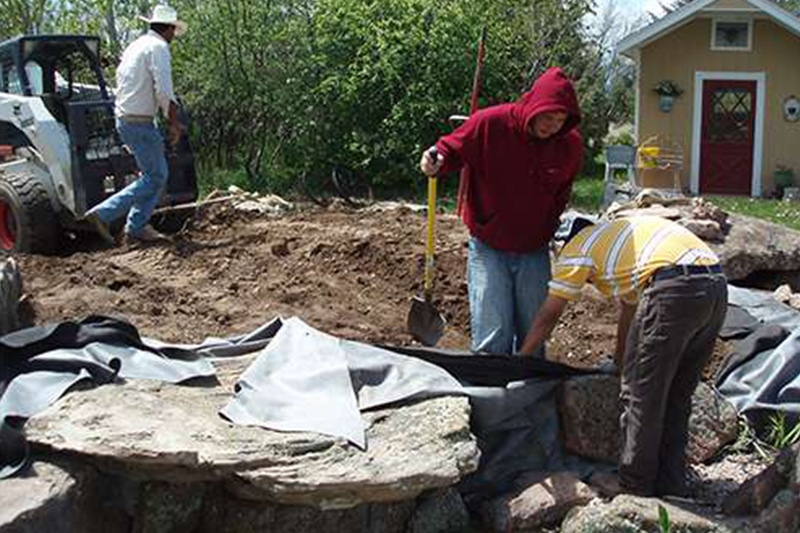
If you’re planning a landscape project in Broomfield, the materials you choose will make or break your results. Colorado’s Front Range throws a lot at outdoor spaces: intense sunshine, freeze-thaw cycles that can crack inferior products, and soil conditions that range from heavy clay to sandy loam depending on your neighborhood. The good news? With over 40 years of experience designing and building landscapes across Northern Colorado, we at J & S Landscape have learned exactly which materials hold up and which ones don’t.
Choosing the right materials for Colorado landscape builds in Broomfield isn’t just about aesthetics (though that matters too). It’s about investing in products that can handle our semi-arid climate, work with local soil conditions, and reduce your long-term maintenance headaches. Whether you’re building a patio, installing a retaining wall, or creating a water-wise xeriscape bed, this guide covers the top materials we recommend for Broomfield homeowners.
Key Takeaways
- Materials for Colorado landscape builds in Broomfield must withstand freeze-thaw cycles, intense UV exposure, and variable soil conditions to last long-term.
- Natural flagstone and concrete pavers are top hardscape choices because they handle ground movement and temperature extremes better than poured concrete slabs.
- Segmental concrete wall blocks and natural stone are ideal for retaining walls on Broomfield’s sloped properties due to their durability and frost resistance.
- Organic mulches like shredded bark work best around trees and shrubs, while rock mulch suits low-water xeriscape designs that require minimal maintenance.
- Locally sourced Colorado stone and materials reduce transportation costs and blend naturally with the Front Range landscape.
- Proper installation with compacted gravel bases, quality edging, and appropriate mulch depth prevents costly repairs and ensures your landscape performs for years.
Understanding Broomfield’s Unique Climate and Soil Conditions
Before diving into specific materials, let’s talk about why Broomfield landscapes face challenges that homeowners in other parts of the country simply don’t deal with.
Broomfield sits right along Colorado’s Front Range, which means you’re getting a semi-arid, four-season climate with some pretty demanding characteristics. We’re talking low humidity, intense UV exposure (higher elevation means stronger sun), significant temperature swings between day and night, and those notorious freeze-thaw cycles that can destroy poorly chosen materials in just a few seasons.
Winter is particularly tough on hardscape surfaces. When water seeps into porous materials and then freezes, it expands. Repeat this process dozens of times each winter, and you’ll see cracking, heaving, and shifting in materials that weren’t designed for these conditions.
Then there’s the soil. Broomfield’s ground is often a mix of clay, sandy loam, and compacted fill, especially in newer subdivisions where grading has altered the natural soil profile. This affects everything from drainage to how well your hardscape base holds up over time. Clay soils in particular can swell when wet and shrink when dry, creating movement under patios and walkways.
What does this mean for material selection? You need products that can handle:
- Temperature extremes from well below freezing to scorching summer heat
- UV degradation from intense Colorado sunshine
- Moisture expansion and contraction during freeze-thaw cycles
- Variable drainage conditions based on your specific soil type
We’ve found that amending beds with quality compost and using well-graded gravel bases under hardscape surfaces goes a long way toward preventing problems down the road. But it all starts with choosing the right materials in the first place.
Best Hardscape Materials for Broomfield Landscapes
Hardscape forms the backbone of most landscape designs. We’re talking patios, walkways, driveways, and outdoor living spaces. In Broomfield, durability isn’t optional. You need materials that can handle snow shoveling, occasional deicing products (when used carefully), and years of weather exposure without falling apart.
Natural Stone Options
Natural stone is a favorite among Broomfield homeowners, and for good reason. It’s beautiful, durable, and blends perfectly with Colorado’s native foothills scenery.
Flagstone is probably the most popular choice we work with. Most of the flagstone used in our area is sandstone, sourced from regional quarries. It comes in various thicknesses and natural color variations that complement the local landscape. We use flagstone for patios, steppers, and pathways where clients want that organic, natural look.
Limestone and granite are also excellent options, particularly for accent features and high-traffic areas. Granite is incredibly hard and resistant to weathering, making it a solid choice for steps and borders.
For focal points and functional elements, stone boulders are hard to beat. We use them for seating areas, slope stabilization, and as dramatic accents in xeriscape beds. At J & S Landscape, we can secure your property and enhance your landscape with locally sourced materials that look like they’ve always belonged there.
One important consideration with natural stone: for walking surfaces, you want relatively flat pieces with some natural texture. This provides better traction in snow and ice conditions. Smooth, polished stone might look nice, but it becomes a slip hazard during Colorado winters.
Pavers and Concrete Alternatives
Concrete pavers have become standard in Broomfield landscapes, and there’s a reason for their popularity. Unlike poured concrete slabs, pavers can flex slightly with ground movement and freeze-thaw cycles. If one paver cracks or shifts, you can replace just that unit rather than tearing out an entire slab.
Pavers come in a huge variety of shapes, colors, and textures. You can create patterns that mimic natural stone, brick, or more contemporary geometric designs. When installed on a properly compacted gravel base, they perform exceptionally well in our climate.
Permeable pavers are worth mentioning too. These allow water to infiltrate through gaps between units, reducing runoff and helping manage stormwater. They require a specific base and subgrade design, but they’re a great option for environmentally conscious homeowners.
Poured concrete still has its place, especially for driveways and large functional slabs where cost is a concern. The key is using air-entrained concrete (which contains tiny air bubbles that allow for expansion) and proper joint spacing to minimize cracking. Many of our clients pair concrete with paver or stone borders for added visual interest.
For informal paths and lower-traffic areas, compacted decomposed granite offers a budget-friendly alternative. It provides a firm walking surface when installed correctly with proper edging to hold it in place.
Top Choices for Retaining Walls and Edging
Broomfield has its share of sloped properties, and even relatively flat lots often need grade changes for proper drainage or aesthetic interest. That’s where retaining walls come in.
Segmental concrete wall blocks are probably the most common choice we install. These modular systems are engineered to lock together, creating structural walls that resist movement from frost heaving and soil pressure. They come in various textures and colors, and they can be stepped to follow natural grade changes on your property.
Natural stone wall rock offers a more organic look. Dry-stacked stone walls have been used for centuries, and when built properly, they’re incredibly durable. The natural variation in stone size and shape creates a distinctive appearance that works particularly well in foothills settings.
Boulder walls take this even further. Large, strategically placed boulders can retain soil while creating a dramatic landscape feature. This approach works well for shorter walls and transitions, though taller retaining applications typically need engineered block systems.
Edging might seem like a minor detail, but it makes a huge difference in how your landscape holds up over time. Good edging separates different materials, keeps mulch and gravel from migrating into lawn areas, and creates clean lines that make maintenance easier.
Common edging materials include:
- Steel edging: Clean, durable, and virtually invisible once installed. Great for creating crisp curves and straight lines.
- Concrete curbing: Permanent and available in various profiles. Popular for separating turf from planting beds.
- Paver soldier courses: Pavers installed on edge to create a border. Matches well with paver patios and walks.
- Natural stone borders: Irregular or cut stone placed along bed edges for a more natural look.
Whatever edging you choose, the goal is durability. You don’t want to be resetting edging every few years because it’s heaving out of the ground or deteriorating.
Drought-Tolerant Mulch and Ground Cover Materials
Water conservation isn’t optional in Colorado. With periodic watering restrictions and a semi-arid climate, your landscape needs to work with limited moisture, not against it. Mulch plays a critical role here.
Organic mulches like shredded bark and wood chips are workhorses in Broomfield landscapes. They reduce evaporation from the soil surface, moderate soil temperature, suppress weeds, and gradually break down to improve soil structure. We typically recommend them around trees, shrubs, and perennial beds where you want that improved soil biology over time.
Local landscape supply yards stock various organic mulch options:
- Shredded hardwood bark: Long-lasting and breaks down slowly
- Wood chips: More varied in size, often more affordable
- Composted mulch: Darker color and breaks down faster, adding organic matter to soil quickly
For very low-water xeriscape designs, inorganic ground covers make more sense. Rock mulch, pea gravel, and crushed stone don’t decompose, so you’re not replenishing them every year or two. They pair naturally with native plants and succulents that thrive in drier conditions.
That said, rock mulch isn’t always the best choice around every plant. Organic mulch is still better for improving soil structure and supporting most perennials, trees, and shrubs. The key is matching the mulch type to the planting and the overall design goals.
One thing we always tell clients: don’t skimp on mulch depth. Three to four inches of organic mulch is ideal for most applications. Too thin, and you lose the water-retention and weed-suppression benefits. Too thick, and you can create moisture problems around plant stems.
Gravel and Decorative Rock for Water-Wise Design
Decorative rock has become essential in Colorado landscape builds in Broomfield, particularly for water-wise designs. Local suppliers carry an impressive range of options, from smooth river rock to crushed granite and everything in between.
Common decorative rock choices include:
- River rock: Smooth, rounded stones in various sizes. Great for dry creek beds and drainage features.
- Pea gravel: Small, rounded stones that work well for pathways and fill areas.
- Crushed granite: Angular pieces that compact well for walking surfaces.
- Cobblestone: Larger rounded rocks for accent areas and bed features.
These materials are particularly effective in xeriscape designs because they don’t decompose and require minimal maintenance. They pair beautifully with native and drought-tolerant plants, creating landscapes that look intentional rather than neglected even during dry periods.
Rock is also functional beyond aesthetics. We use gravel and crushed stone as base material under pavers and patios, in French drain systems, and for utility areas where grass won’t survive.
Proper installation matters a lot with decorative rock. Weed fabric underneath (where appropriate) helps prevent weeds from pushing through. Defined edging keeps rock from migrating into lawn areas or washing away during heavy rain. And choosing the right size rock for the application prevents problems. For example, very small gravel can get tracked into the house, while large river rock is awkward to walk on.
Dry stream beds deserve special mention. These features use graduated rock sizes to mimic natural waterways, directing runoff during storms while adding visual interest to the landscape. They’re practical and beautiful, which is the sweet spot for good landscape design.
Sustainable and Locally Sourced Material Options
Sustainability in landscaping means different things to different people, but in Broomfield, it often comes down to three main factors: water conservation, material longevity, and sourcing.
We prioritize materials sourced from regional suppliers and quarries whenever possible. Colorado stone looks better in Colorado landscapes than imported materials, and there’s an environmental benefit to reducing transportation distances. Many local landscape yards highlight Colorado-sourced stone, locally produced mulches, and recycled aggregates.
Speaking of recycled materials, crushed concrete and reused brick can work well in certain applications. They’re not right for every project, but for base material or informal paths, they offer a cost-effective and environmentally friendly option.
Pairing durable materials with water-wise design principles creates landscapes that are sustainable in the long run. This means:
- Choosing permeable surfaces where appropriate to reduce runoff
- Selecting drought-tolerant plants that don’t need constant irrigation
- Installing efficient drip irrigation for plants that do need supplemental water
- Using materials with long lifespans to reduce replacement frequency
At J & S Landscape, we’ve spent over 40 years learning which materials provide the best combination of beauty, durability, and value for Northern Colorado homeowners. The most sustainable landscape is one that’s built right the first time, using quality materials that won’t need replacement in five or ten years.
Here’s a quick reference for matching materials to different landscape applications:
| Use Area | Recommended Materials |
|---|---|
| Patios and walkways | Concrete pavers, flagstone, compacted decomposed granite |
| Driveways | Concrete pavers or air-entrained concrete with proper base |
| Retaining walls | Segmental concrete blocks, wall rock, stacked boulders |
| Bed mulch | Shredded bark, wood chips, composted mulch, rock mulch for xeriscape |
| Ground cover/paths | Pea gravel, crushed stone, decomposed granite, decorative rock |
| Edging | Steel edging, concrete curbing, paver borders, natural stone |
Conclusion
Building a landscape in Broomfield that looks great and lasts requires thoughtful material selection. You’re working with a climate that tests every product you put in the ground, from summer heat and UV exposure to winter freeze-thaw cycles. The materials covered in this guide have proven track records in our area because they’re designed to handle exactly these conditions.
Whether you’re drawn to the natural beauty of flagstone, the versatility of concrete pavers, or the low-maintenance appeal of decorative rock, the key is matching materials to your specific site conditions, design goals, and maintenance preferences.
At J & S Landscape, we’ve been helping homeowners throughout Boulder, Longmont, Broomfield, and the surrounding Northern Colorado communities create beautiful, durable outdoor spaces for over four decades. We know which materials work best in which situations, and we have the experience to install them properly so they perform for years to come.
Ready to discuss your landscape project? We’d love to talk through your ideas and help you choose the right materials for your property. Contact our team for a consultation, and let’s create an outdoor space you’ll enjoy for years to come.
Frequently Asked Questions
What are the best materials for Colorado landscape builds in Broomfield?
The top materials for Broomfield landscapes include natural flagstone, concrete pavers, segmental retaining wall blocks, and decorative rock. These materials are chosen specifically to withstand Colorado’s freeze-thaw cycles, intense UV exposure, and variable soil conditions while providing lasting beauty and durability.
Why do landscape materials fail in Colorado’s Front Range climate?
Materials fail due to Broomfield’s demanding conditions: freeze-thaw cycles cause water to expand inside porous materials, intense UV radiation degrades surfaces, and clay soils swell and shrink seasonally. Choosing products rated for temperature extremes and proper installation techniques prevents premature cracking and heaving.
Is flagstone or concrete pavers better for a Broomfield patio?
Both work well for Colorado landscape builds. Flagstone offers a natural, organic appearance that blends with foothills scenery. Concrete pavers provide more design flexibility, easier repairs, and can flex with ground movement. Your choice depends on aesthetic preference, budget, and desired maintenance level.
What type of mulch is best for water-wise landscaping in Colorado?
For xeriscape designs, rock mulch, pea gravel, and crushed stone require minimal maintenance and don’t decompose. For traditional beds, organic mulches like shredded bark conserve moisture and improve soil. Apply 3-4 inches of organic mulch for optimal water retention and weed suppression.
How do I prevent my retaining wall from failing in Broomfield?
Use engineered segmental concrete blocks or properly dry-stacked natural stone designed to resist frost heaving and soil pressure. Ensure adequate drainage behind the wall, use well-compacted gravel bases, and choose materials rated for freeze-thaw conditions common along Colorado’s Front Range.
What base material should go under pavers in Colorado?
A properly compacted gravel base is essential for paver longevity in Broomfield. Well-graded crushed stone allows drainage while providing stability. This prevents shifting and heaving during freeze-thaw cycles and accommodates Colorado’s variable soil conditions, especially in clay-heavy areas.