
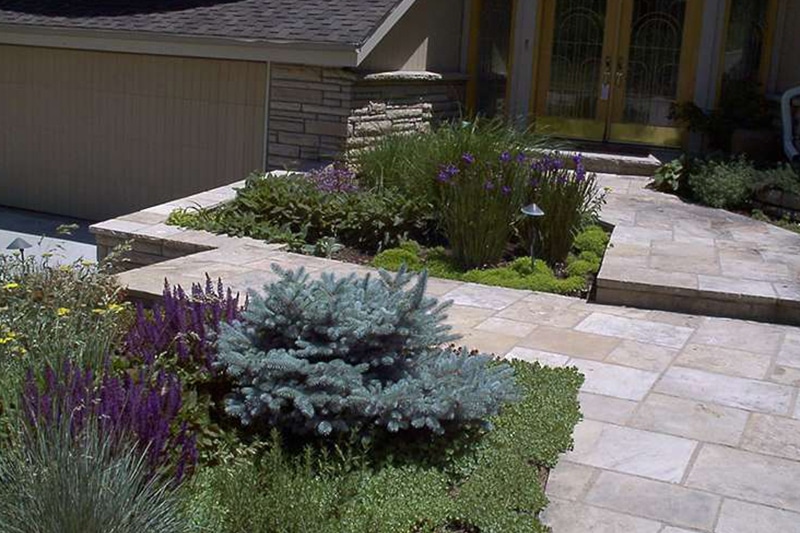
A stunning patio loses half its charm if it sits isolated from the rest of your yard. The real magic happens when your outdoor living space flows naturally into pathways that guide you through gardens, past water features, and around every corner of your property. In Longmont, where we’re blessed with nearly 300 days of sunshine, creating seamless connections between patios and pathways isn’t just about aesthetics, it’s about maximizing how you use and enjoy your outdoor space year-round. Let’s explore how thoughtful design can transform disconnected hardscapes into a cohesive outdoor experience.
Why Patio-to-Pathway Connections Matter for Outdoor Living
Think about how you actually move through your yard. You step out onto the patio with your morning coffee, then maybe wander toward the garden or fire pit area. Without intentional connections, these transitions feel awkward, like navigating a series of isolated islands rather than a unified outdoor living space.
Well-designed patio-to-pathway connections accomplish several things. First, they establish a natural circulation pattern that makes your entire property feel accessible and inviting. Second, they visually expand smaller yards by drawing the eye along defined routes. And third, they create purpose. A pathway leading from your patio to an outdoor kitchen or seating area tells guests exactly where to go.
We’ve seen countless Longmont homeowners underestimate this connection. They invest in a beautiful flagstone patio, then neglect the transition to the lawn or garden beds. The result? A space that feels incomplete, no matter how expensive the materials. When we approach outdoor design, we consider the patio and pathways as parts of one integrated system, because that’s how people actually experience them.
Design Principles for Seamless Transitions
Creating seamless transitions between patios and pathways requires attention to a few key principles. The first is continuity. This doesn’t mean everything has to match exactly, but there should be visual threads that carry from one space to another, whether that’s a repeated material, consistent color palette, or complementary textures.
Scale matters too. A narrow stepping-stone path connecting to a sprawling stamped concrete patio will feel disjointed. We typically recommend pathways be at least 36 inches wide for comfortable single-file walking, and 48 to 60 inches where two people might walk side by side.
Then there’s the transition zone itself. This is where many designs fall short. Rather than an abrupt edge where patio meets pathway, consider graduated changes. Maybe the patio pavers extend a few feet into the pathway before shifting to a different material. Or perhaps a border of matching stone frames both spaces.
Finally, respect natural sight lines. Pathways should feel intuitive, following the routes people would naturally take. Fighting against the landscape creates awkward, underused paths that homeowners eventually ignore.
Choosing Materials That Work Together
Material selection can make or break your patio-to-pathway design. The goal isn’t necessarily matching, it’s harmony. Complementary materials often create more visual interest than identical ones, as long as they share certain qualities.
Natural stone remains one of our favorite options for Longmont properties. Flagstone patios transition beautifully into flagstone stepping stones or gravel paths bordered with the same stone. The irregular shapes and earthy tones blend with Colorado’s natural landscape while offering excellent durability.
Stamped concrete provides another versatile option. A stamped concrete patio with a natural stone pattern can connect to pathways using the same technique, or you can introduce complementary pavers that echo the concrete’s color tones. This approach often proves more budget-friendly while still achieving that cohesive look.
For a more contemporary feel, consider combining concrete pavers with decomposed granite pathways. The clean lines of modern pavers contrast nicely with the softer texture of crushed stone, creating defined zones without visual conflict.
Whatever materials you choose, think about practical considerations: slip resistance when wet, heat absorption during summer months, and how they’ll age over time. Materials that weather gracefully tend to look better together as years pass.
Navigating Longmont’s Climate and Terrain Considerations
Longmont’s Front Range location presents specific challenges, and opportunities, for patio and pathway design. Our dramatic temperature swings, from summer highs in the 90s to winter lows well below freezing, demand materials that can handle freeze-thaw cycles without cracking or heaving.
Proper base preparation is non-negotiable here. We typically excavate deeper than you might in milder climates, installing a compacted gravel base that allows for drainage and accommodates ground movement. Skipping this step leads to cracked patios and uneven pathways within a few seasons.
Drainage deserves serious attention. Longmont’s clay-heavy soils don’t absorb water quickly, which means improperly graded hardscapes can direct runoff toward your foundation or create standing water. We design pathways with subtle crowns or cross-slopes that move water away from structures and into landscaped areas where it can percolate naturally.
The terrain itself offers design inspiration. Rather than fighting slopes with extensive retaining walls, consider terraced patios connected by gently winding pathways. This approach works with the land, reduces construction costs, and creates distinct outdoor “rooms” that feel intentional rather than forced.
Functional Pathway Layouts for Different Yard Sizes
Your yard’s size and shape should drive pathway layout decisions, not generic templates. Small yards benefit from efficient, purposeful paths that maximize usable space without overwhelming it. A single well-placed pathway connecting the patio to a destination point, maybe a bench, fire pit, or garden focal point, often works better than multiple competing routes.
In compact spaces, we sometimes extend patio materials directly into narrow pathways, blurring the line between the two. This creates the illusion of more square footage while maintaining that seamless flow homeowners want.
Medium-sized yards allow for more variety. Consider a primary pathway with generous width leading to main destinations, supplemented by narrower secondary paths that invite exploration. Curves work well here, adding visual interest and making the yard feel larger than its actual dimensions.
Large properties present different challenges. Without structure, expansive yards can feel overwhelming or underutilized. Here, pathways serve as organizing elements that break the space into manageable zones. A network of connected paths might link the main patio to an outdoor kitchen, fire feature, garden areas, and perhaps a quiet sitting spot at the property’s edge. Each destination gives visitors a reason to explore, while the connecting pathways ensure the experience feels cohesive rather than random.
Enhancing Flow With Lighting and Landscaping
Pathways and patios reach their full potential when lighting and landscaping work together to enhance the connection. Strategic lighting does more than provide safety after dark, it shapes how people perceive and move through your outdoor space.
Path lights positioned at regular intervals guide visitors naturally from patio to destination. We prefer fixtures that cast light downward, illuminating the walking surface without creating glare. At transition points where pathways meet patios, slightly brighter fixtures signal the change in space.
Uplighting along pathways creates drama while improving safety. A few well-placed spotlights on trees or architectural features draw the eye forward, essentially “pulling” people along the path. This technique works especially well for longer pathways that might otherwise feel monotonous.
Landscaping softens hardscape edges and reinforces the connection between patio and pathway. Low groundcovers spilling between pavers, ornamental grasses flanking pathway edges, or flowering perennials at transition points all contribute to that seamless feel. Native plants work particularly well in Longmont, requiring less water while blending naturally with our regional landscape.
Water features offer another layer of connection. A pondless fountain near the patio might echo a small waterfall feature at the pathway’s end, creating a sensory thread that ties the spaces together.
Conclusion
Connecting patios to pathways transforms your Longmont property from a collection of outdoor features into a true outdoor living space. When these elements work together, through thoughtful material choices, climate-appropriate construction, and complementary lighting and landscaping, you create an environment that invites exploration and daily enjoyment. Whether you’re working with a compact city lot or an expansive property, prioritizing flow and function will help you get the most from Colorado’s abundant sunshine.