
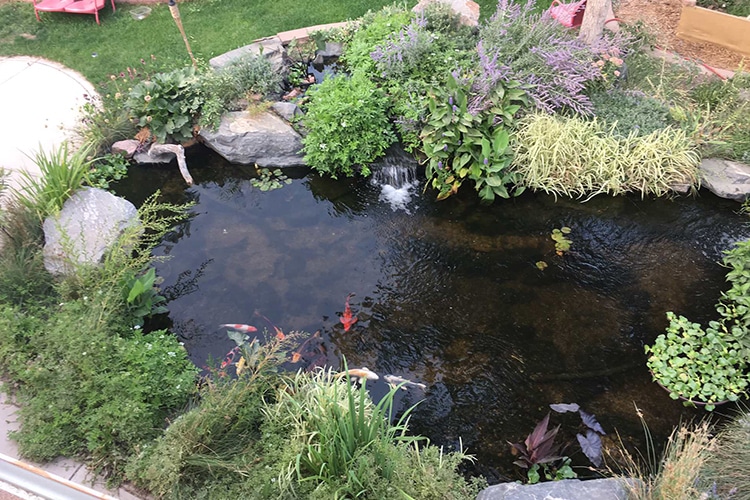
Building a koi pond in Niwot isn’t quite the same as installing one in, say, Southern California. Our corner of Colorado brings dramatic temperature swings, intense sun at altitude, and winters that can catch even experienced pond owners off guard. If you’ve been dreaming of adding a beautiful koi pond to your property, complete with vibrant fish gliding beneath the surface, you’ll need to plan carefully around our local climate. In this guide, we’ll walk you through the essential koi pond basics, from choosing the right depth and filtration systems to seasonal care strategies that keep your fish thriving year-round in Niwot’s unique environment.
Why Niwot’s Climate Requires Special Koi Pond Considerations
Niwot sits at roughly 5,100 feet elevation, and that altitude changes everything about how we approach koi pond design. The thinner atmosphere means more intense UV exposure during summer months, which can accelerate algae growth and stress fish that prefer shaded conditions. Meanwhile, our winters regularly dip into the single digits, sometimes below zero, while summer afternoons can push past 90°F.
This 100-degree swing between seasonal extremes puts serious demands on both your pond infrastructure and your koi. Unlike temperate coastal climates where water temperatures remain relatively stable, Niwot ponds experience rapid fluctuations that can weaken fish immune systems and promote disease.
We also deal with Colorado’s notorious afternoon thunderstorms from May through August. Heavy rains can dilute pond chemistry quickly, while hail events pose real risks to exposed water features. And let’s not forget our low humidity, evaporation rates here far exceed what you’d experience at lower elevations, meaning you’ll need to top off water levels more frequently.
At J&S Landscape, we’ve designed and maintained koi ponds throughout Boulder County for over four decades. We’ve learned firsthand which approaches work in our specific climate and which shortcuts lead to frustration. The good news? With proper planning, Niwot homeowners can absolutely enjoy thriving koi ponds.
Choosing the Right Pond Depth for Colorado’s Temperature Swings
Depth is arguably the most critical decision you’ll make when planning a koi pond in our region. Many online guides recommend minimum depths of 3 feet, but that’s typically written for milder climates. Here in Colorado, we strongly recommend a minimum depth of 4 feet, with 5 to 6 feet being ideal for the main section of your pond.
Why does depth matter so much? Water temperature becomes more stable as you go deeper. During summer heat waves, the bottom of a properly designed pond stays significantly cooler than surface water, sometimes 10 to 15 degrees cooler. This gives your koi a refuge when surface temperatures climb uncomfortably high. In winter, that same depth provides thermal protection: water below the freeze line maintains temperatures above freezing even when ice forms on top.
We generally design Niwot koi ponds with varied depth zones. Shallow shelves around 12 to 18 inches work well for marginal plants and create visual interest. A middle zone of 2 to 3 feet accommodates water lilies and provides foraging areas. The deepest section, that 4 to 6-foot zone, serves as the overwinter refuge and summer cooling station.
Keep in mind that deeper ponds require more excavation and structural planning. You’ll also need to consider your water table and local soil conditions. Rocky soils common in parts of Niwot can complicate digging, but they also provide excellent drainage that prevents hydrostatic pressure problems.
Essential Filtration Systems for Healthy Koi
Koi are beautiful, but they’re also messy. A single adult koi can produce substantial waste, and without adequate filtration, water quality deteriorates rapidly. Your filtration system essentially serves as the pond‘s kidneys, remove it, and toxins accumulate to dangerous levels within days.
For Niwot ponds, we recommend oversizing your filtration capacity by at least 25% beyond manufacturer recommendations. Our intense sun promotes faster biological activity, and temperature fluctuations stress filtration systems in ways that moderate climates don’t.
Mechanical and Biological Filtration Explained
Mechanical filtration physically removes debris from your water. This includes settlement chambers, filter mats, bead filters, and skimmers that capture leaves, fish waste, and suspended particles before they decompose. Think of mechanical filtration as the first line of defense, it handles the visible gunk.
Biological filtration addresses what you can’t see. Beneficial bacteria colonize specialized media (lava rock, bio-balls, ceramic rings) and convert toxic ammonia from fish waste into nitrites, then into relatively harmless nitrates. This nitrogen cycle is absolutely essential for fish health.
Most effective systems combine both filtration types. Pressurized bead filters handle both functions reasonably well for smaller ponds. Larger installations often benefit from separate mechanical and biological chambers, which allows for easier maintenance without disrupting bacterial colonies.
UV clarifiers deserve mention here too. These units expose water to ultraviolet light that kills suspended algae cells, keeping water crystal clear. While not technically filtration, UV clarifiers prove invaluable for managing the aggressive algae growth our Colorado sunshine encourages.
Seasonal Koi Pond Care and Maintenance
Koi pond care in Niwot follows a distinct seasonal rhythm, and staying ahead of each transition prevents most common problems.
Spring (March–May): As water temperatures climb above 50°F, your koi wake from their winter torpor with weakened immune systems. This is actually the highest-risk period for disease. Begin feeding gradually with wheat germ-based foods that digest easily. Clean out accumulated debris before it decomposes and spikes ammonia levels. Inspect and restart filtration equipment, checking for any winter damage.
Summer (June–August): Peak growing season means peak feeding and peak waste production. Monitor water quality closely, test weekly at minimum. Keep an eye on oxygen levels, as warm water holds less dissolved oxygen. A fountain or waterfall helps with aeration (and adds that tranquil sound we all love). Shade at least 40 to 50% of the pond surface to control algae and protect fish from sunburn, yes, koi can actually get sunburned.
Fall (September–November): Install pond netting before leaves start falling to prevent organic buildup. Gradually reduce feeding as temperatures drop below 60°F. Perform a thorough filter cleaning while water is still warm enough for bacteria to recover. This is also the ideal time to add beneficial bacteria treatments.
Winter (December–February): Once water drops below 50°F, stop feeding entirely, koi can’t digest food at low temperatures. Keep a small section of the pond surface ice-free using a floating de-icer or aeration system. Never break ice by striking it, as the shockwaves can injure or kill fish. Our team at J&S Landscape provides winterizing services throughout Boulder County to help homeowners navigate this critical period.
Water Quality Management and Testing
Pristine water quality separates thriving koi collections from struggling ones. Even crystal-clear water can harbor invisible threats, so regular testing isn’t optional, it’s essential.
At minimum, test for these parameters weekly during active months:
- Ammonia: Should read zero. Any detectable ammonia indicates a problem, either overstocking, overfeeding, or insufficient biological filtration.
- Nitrite: Also should read zero. Elevated nitrites signal that your biological filter isn’t fully cycled or is overwhelmed.
- Nitrate: Keep below 40 ppm. Regular partial water changes control nitrate buildup.
- pH: Koi prefer slightly alkaline conditions, ideally between 7.0 and 8.4. Colorado’s tap water tends toward alkaline, which actually works in our favor.
- KH (Carbonate Hardness): Maintains pH stability. Our local water typically has adequate KH, but testing confirms this.
Invest in a quality liquid test kit rather than relying solely on test strips. Strips work for quick checks, but liquid reagent tests provide more accurate readings when diagnosing problems.
Water changes remain your most powerful tool for maintaining quality. We recommend changing 10 to 15% of pond volume weekly during summer, reducing to monthly during cooler months. Always treat new water with a dechlorinator before adding, chlorine and chloramine in municipal water are toxic to fish and kill beneficial bacteria.
If you’re uncertain about water quality or notice fish behaving strangely (gasping at the surface, rubbing against surfaces, loss of appetite), don’t wait. Test immediately and consider consulting a pond professional who understands local conditions.
Conclusion
Creating a thriving koi pond in Niwot absolutely requires attention to our unique climate challenges, but the rewards are well worth the effort. With proper depth, robust filtration, seasonal maintenance routines, and vigilant water quality monitoring, you can enjoy years of peaceful moments watching your koi glide through crystal-clear water. If you’re ready to bring this vision to life, the pond experts at J&S Landscape are here to design, build, and maintain your dream water feature throughout every season.