
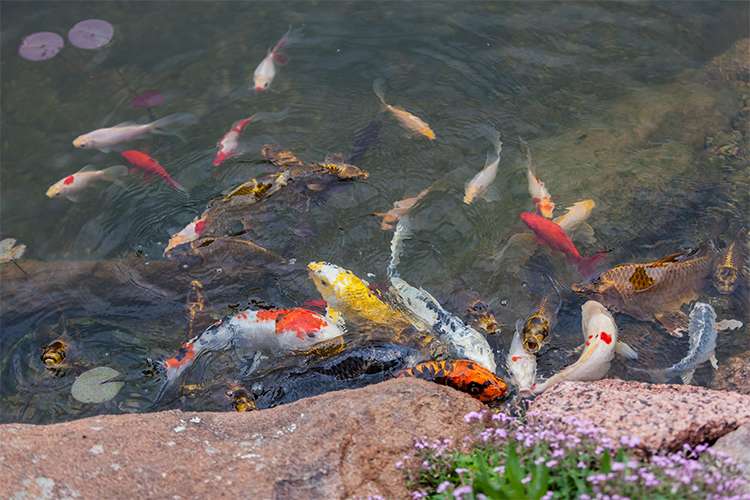
If you’ve ever stood beside a well-designed koi pond, watching those brilliant orange and white fish glide through crystal-clear water, you know the appeal. There’s something almost meditative about it. But here in Loveland, Colorado, building a thriving koi pond isn’t quite the same as it would be in milder climates. Our altitude, temperature swings, and harsh winters demand a more thoughtful approach to pond design and maintenance. We’ve helped countless homeowners navigate these challenges, and the truth is, getting the basics right from the start makes all the difference. Let’s walk through what you need to know about koi pond filtration, depth, and year-round care in our unique Colorado climate.
Why Loveland’s Climate Matters for Your Koi Pond
Loveland sits at roughly 5,000 feet elevation, and that single fact shapes almost every decision we make when designing koi ponds. The thinner air means more intense UV exposure during summer months, which can accelerate algae growth if your pond isn’t properly shaded or filtered. Then there’s the temperature, we can see 90°F days in July and subzero stretches in January.
Koi are cold-water fish, yes, but they’re not invincible. They thrive when water temperatures stay between 59°F and 77°F. Outside that range, their immune systems weaken, digestion slows, and stress levels climb. In Loveland, we often swing through that entire temperature range in a single season, sometimes in a single week during spring or fall.
Our dry climate also means high evaporation rates. You’ll top off your pond more frequently than folks in humid regions, and that constant water addition can throw off your carefully balanced ecosystem if you’re not monitoring things. Chlorine and chloramines from tap water need to be neutralized every time you add fresh water.
The good news? Colorado’s sunshine, nearly 300 days of it, means your koi will display their best colors and remain active longer into the season than in cloudier climates. You just need to plan for the extremes.
Choosing the Right Pond Depth for Colorado’s Winters
Here’s where we see a lot of first-time pond owners make costly mistakes. A shallow pond might look charming, but it won’t protect your koi when temperatures plummet.
We recommend a minimum depth of four feet for koi ponds in the Loveland area. Why so deep? During winter, ice forms on the surface, sometimes several inches thick during our coldest stretches. Below that ice, your koi need unfrozen water where they can enter torpor, a hibernation-like state where their metabolism slows dramatically. If your pond is only two or three feet deep, the entire water column can drop to dangerous temperatures, or worse, freeze solid in extreme cold snaps.
Four feet gives your fish a thermal refuge at the bottom where water stays around 39°F (the temperature at which water is densest). They’ll huddle there, barely moving, conserving energy until spring.
Depth also matters for summer. Deeper water stays cooler during heat waves, giving koi an escape from surface temperatures that can climb into the low 80s. It’s essentially climate control built into your pond design.
Beyond the minimum, consider the footprint. A 4-foot-deep pond that’s only 6 feet across won’t hold enough water volume to maintain stable temperatures. We generally suggest at least 1,000 gallons for a small koi collection, with 2,500 to 5,000 gallons being more ideal. Bigger ponds buffer temperature changes better and dilute waste more effectively.
Essential Filtration Systems for Healthy Koi
Crystal-clear water isn’t just about aesthetics, it’s about survival. Koi produce a significant amount of waste, and without proper filtration, ammonia levels spike quickly. In an enclosed pond, that’s a death sentence.
A good filtration system does two jobs: removing physical debris and processing biological waste. You need both working in harmony.
Mechanical and Biological Filtration Explained
Mechanical filtration is the straightforward part. It physically traps leaves, fish waste, uneaten food, and other debris before they decompose and foul your water. Skimmers, settling chambers, and filter pads all fall into this category. Think of it as the first line of defense, catching the big stuff before it becomes a bigger problem.
We recommend cleaning mechanical filters regularly, especially during fall when leaves are dropping. A clogged filter isn’t filtering anything.
Biological filtration is where the real magic happens. Beneficial bacteria colonize porous media, things like lava rock, bio balls, or specialized filter mats, and convert toxic ammonia into nitrite, then into relatively harmless nitrate. This nitrogen cycle is essential. Without it, ammonia builds up and burns your koi’s gills.
The catch? These bacteria need time to establish, and they’re sensitive to temperature. In spring, when water warms and your koi become active again (producing more waste), your bacterial colonies are just waking up too. This lag creates a vulnerable window where ammonia can spike. Testing your water weekly during seasonal transitions helps you catch problems early.
For Loveland ponds, we often recommend oversizing your biological filter. Our temperature swings stress the system, and extra capacity provides a safety margin. Adding a UV clarifier can also help control the algae blooms that our intense sunshine encourages.
At J&S Landscape, we design filtration systems specifically calibrated for Colorado conditions, accounting for our altitude, UV exposure, and seasonal extremes. It’s not a one-size-fits-all situation.
Seasonal Koi Care Tips for Loveland Pond Owners
Koi care in Loveland follows a distinct rhythm tied to our seasons. Here’s what we focus on throughout the year:
Spring (March–May): As ice melts and water temperatures climb past 50°F, your koi slowly emerge from torpor. Don’t rush to feed them, their digestive systems aren’t fully operational yet. Start with small amounts of easily digestible wheat germ-based food once temps consistently hit 55°F. This is also prime time to clean filters, remove accumulated debris, and test water quality.
Summer (June–August): Peak activity season. Feed your koi a high-protein diet to support growth and color development, but don’t overdo it, uneaten food decays fast in warm water. Monitor oxygen levels, as warmer water holds less dissolved oxygen. A waterfall or fountain helps with aeration, and adds that peaceful sound of flowing water we all love.
Fall (September–November): Transition time. As temperatures drop below 60°F, switch back to wheat germ food. Net your pond to keep falling leaves out, decomposing organic matter releases harmful gases. This is also when we recommend scheduling professional winterization if you’re not comfortable handling it yourself.
Winter (December–February): Stop feeding entirely once water drops below 50°F. Your koi can’t digest food at these temperatures, and undigested food in their gut can kill them. Keep a small area of the surface ice-free using a floating de-icer or aerator. This allows toxic gases to escape. Never break ice by hitting it, the shockwave can harm your fish.
Our team at J&S Landscape offers year-round pond maintenance services, including winterizing koi ponds, so you can enjoy your water feature without the worry.
Common Koi Pond Mistakes to Avoid
After decades of building and maintaining ponds across Boulder, Longmont, Loveland, and the surrounding areas, we’ve seen the same mistakes repeat themselves. Here are the big ones:
Building too shallow. We’ve covered this, but it bears repeating. Anything less than four feet deep is gambling with your koi’s lives in Colorado winters.
Overstocking. Koi grow large, up to three feet in ideal conditions. That adorable six-inch fish at the store will eventually need serious space. A general rule: 250 gallons per adult koi minimum. Overcrowding leads to poor water quality, stress, and disease.
Skimping on filtration. Undersized filters are false economy. You’ll spend more time fighting algae, more money on water treatments, and potentially lose fish. Size your filter for the pond you have, then go one size bigger.
Feeding in winter. We can’t stress this enough. Below 50°F, koi cannot metabolize food. Feeding them anyway causes internal rot and death.
Ignoring water quality. Invest in a test kit and use it. Ammonia, nitrite, pH, these numbers tell you what’s really happening in your pond. By the time you see fish gasping at the surface, it’s often too late.
Neglecting predator protection. Herons, raccoons, and neighborhood cats all love koi. Depth helps (herons won’t wade into four-foot water), but you may also need netting or motion-activated deterrents.
DIY disasters. There’s nothing wrong with hands-on projects, but pond construction involves excavation, liner installation, plumbing, and electrical work. Mistakes are expensive to fix and can harm your fish. Working with experienced pond professionals, like our team at J&S Landscape, saves headaches down the road.
Conclusion
Building a koi pond in Loveland means designing for extremes, scorching summers, bitter winters, and everything in between. Get your depth right, invest in proper filtration, and adjust your care routine with the seasons. Do those things, and you’ll have a backyard water feature that brings peace and beauty for years to come. If you’d rather leave the details to experts who know Colorado’s unique challenges, we’re here to help design, build, and maintain the pond you’ve been imagining.