
Vertical plant pockets in Longmont: zone 5b-ready designs, plant lists, irrigation tips, and install steps from J & S LANDSCAPE. Durable, low-care living wall.
Designing Vertical Plant Pockets in Longmont
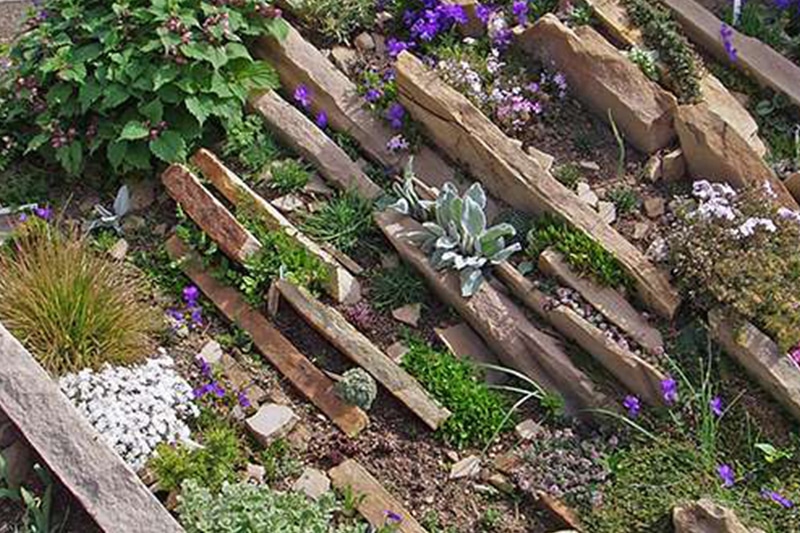
Vertical plant pockets are a smart way to add lush greenery to patios, fences, courtyard walls, and even the side of a garage. In Longmont’s sunny, semi-arid climate, they deliver a lot of visual payoff without taking up precious ground space. At J & S LANDSCAPE, we’ve designed and built living walls and pocket systems that thrive here along the Front Range. Below, we’ll walk through what works, what to avoid, and how we can help you create a long-lasting, low-stress installation.
Key Takeaways
- Assess Longmont’s Zone 5b microclimates—sun, wind, and exposure—before placement to ensure vertical plant pockets thrive.
- Confirm wall type and live load, then use rated anchors, a waterproof membrane, an air gap, a root barrier, and catch trays to protect structures.
- Choose between modular panels, felt pockets, or DIY frames and use UV-stable, freeze–thaw–resistant materials for longevity.
- Match plants to exposure and group by water needs, using a lightweight soilless mix with pH buffers to counter Longmont’s alkaline water.
- Install simple drip irrigation with proper drainage reuse, flush salts periodically, monitor moisture at different heights, and winterize lines.
- Plan modular panels for safe access, follow a seasonal care schedule, check HOA/city rules, and consider J & S LANDSCAPE for designing vertical plant pockets in Longmont.
Know Your Site And Longmont’s Climate
Microclimates, Sun, And Wind Along The Front Range
Longmont sits in USDA Zone 5b with quick temperature swings, high UV, and dry air. South and west walls bake in summer and reflect heat from masonry. North and east walls stay cooler and hold moisture longer. Wind funnels through side yards and can hit upper stories hard, so pockets near rooflines or open corners need sturdier mounting and plants with flexible stems. If you’re near open fields, count on more wind. In older neighborhoods with mature trees, expect shifting dappled light through the day.
Wall Type, Load, And Moisture Considerations
Before choosing any system, confirm what you’re fastening into. Brick, CMU, and framed walls with proper sheathing each have different fastener and anchoring needs. A fully saturated pocket array is heavier than most people expect. We plan for live loads and install a moisture barrier and air gap so the wall can breathe and stay dry. Where irrigation is integrated, we include drip trays or scuppers to keep patios stain-free. Our team at J & S LANDSCAPE routinely pairs vertical plant pockets with adjacent patios, pergolas, and boulder accents, tying structure and planting into one clean detail.
Soil, Water Quality, And Hardiness Zones
Use a lightweight, well-draining soilless mix that resists compaction. Longmont water trends alkaline, which can lock up nutrients over time. We add pH-buffering amendments and slow-release organic fertilizers and select hardy plants rated for Zone 5b or lower. If you’re integrating a nearby water feature, like a pondless fountain, make sure overspray won’t drown lower pockets or add salts. We test irrigation water where necessary to prevent long-term buildup.
Selecting The Right Vertical Pocket System
Modular Panels Vs. Felt Pockets Vs. DIY Frames
Each approach has trade-offs for designing vertical plant pockets in Longmont:
- Modular panels – Rigid, tidy, and easy to service. Many accept plug-in drip lines. Good for formal designs and larger walls.
- Felt pockets – Breathable, lightweight, and plant-friendly. They need proper waterproof backing and a drip tray. Great for herbs and mixed textures.
- DIY frames – Customizable and budget-friendly. They require careful flashing, a root barrier, and regular checks. Best for small feature walls.
Materials That Withstand Freeze–Thaw And UV
Colorado’s swing seasons can crack brittle plastics and weather unsealed lumber fast. We favor UV-stable felt, stainless or coated fasteners, rot-resistant wood, and high-quality composites that won’t chalk in sun. Where pockets meet a stone wall or a ClifRock outdoor kitchen face, we add isolating spacers to prevent trapped moisture.
Mounting, Root Barriers, And Backside Protection
We mount into studs or masonry with rated anchors, include a continuous waterproof membrane, and keep a small air gap for airflow. A root barrier stops aggressive root tips from exploring seams. If we’re installing over stucco or wood siding, we add stand-offs so the assembly dries out quickly after irrigation or a storm.
Plants That Thrive In Vertical Pockets Here
Full Sun, South- And West-Facing Picks
Think tough, water-wise, and compact. We mix textures for depth:
- Sedum and Sempervivum for tight rosettes and low water use
- Lavender and yarrow for fragrance and pollinators
- Russian sage and blue fescue for airy movement
- Prostrate thyme to spill and soften edges
Part Shade And North/East Exposures
- Heuchera and coral bells for color under cooler light
- Hosta miniatures where there’s protection from wind
- Lady fern and alpine strawberry for fine texture and a few berries
- Lamb’s ear for soft, drought-tolerant foliage
Native And Pollinator-Friendly Options
- Penstemon strictus and P. pinifolius for hummingbirds
- Echinacea and Gaillardia for long summer bloom
- Milkweed cultivars in deeper pockets to support monarchs
- Prairie smoke and prairie dropseed for delicate structure
Year-Round Texture And Winter Interest
- Evergreen sedums and creeping juniper in larger cells
- Heather or dwarf boxwood where shade and shelter allow
- Ornamental grasses like little bluestem for winter color
- Branches of red-twig dogwood trained in a shallow trellis beside the wall for contrast
We right-size root spaces and group plants by water needs, which makes irrigation and care much easier over the years.
Watering, Drainage, And Fertigation
Drip Lines, Emitters, And Gravity Feeds
A simple, reliable setup is best. We run a low-flow drip line along the top of the panel with button emitters feeding each column. For small installations, a gravity-fed reservoir with a timer works well. In winter, systems need to be drained or blown out just like a regular landscape drip line. Our maintenance team at J & S LANDSCAPE can winterize your pockets along with fountains and koi ponds.
Capturing And Reusing Water Responsibly
We aim to irrigate efficiently. Catch trays or small gutters collect excess and redirect it to planter beds or a rain garden. If you have a pondless fountain nearby, we avoid connecting systems directly to prevent algae or nutrient spikes, but we can set both to use the same automatic refill source.
Preventing Salt Buildup And Overwatering
Fertigation is helpful, just keep it light. Flush the system with plain water every few weeks during peak heat to move salts through. Look for leaf tip burn or crusting at the soil surface, then pause fertilizer for a cycle. Use moisture meters in a couple of pockets at different heights to avoid overwatering the lower rows.
Layout, Aesthetics, And Practical Design
Pocket Spacing, Plant Density, And Root Behavior
Stagger pockets so trailing plants can tumble without shading neighbors. Place slower growers at eye level so they’re easy to monitor, with aggressive spreaders up high where they can roam. For herbs, keep mint and oregano in isolated cells. We leave a service gap at the base for cleanouts.
Patterning, Color Blocking, And Seasonal Rotation
For a modern look, use color blocks of 3 to 5 species repeated across the wall. In courtyards, a soft gradient from cool greens to warm bloom colors reads well in afternoon light. We also design seasonal “swap zones” so you can rotate pansies in spring, heat lovers in summer, and cut greens or winter kale late in the year.
Safety, Access, And Modular Maintenance Zones
Anything above 7 feet should be designed in removable panels. We include hidden cleats so a panel can slide up and off for replanting on a workbench. For walls beside grills or fireplaces, leave a non-combustible buffer and use heat-tolerant plants at the edge. If the wall faces a play area, secure all irrigation lines behind the backing and choose soft, non-spiny foliage within reach.
Installation, Care, And Long-Term Maintenance
Step-By-Step Install Checklist
- Confirm structure, utilities, and HOA rules
- Layout mounting points and install moisture barrier
- Set stand-offs or cleats and fasten the frame
- Add root barrier and drip line header at the top
- Fill pockets with soilless mix and plant tightly
- Test irrigation, check for leaks, and set the timer
- Install catch tray and route overflow to a bed
- Clean up, label zones, and photograph for future care
Seasonal Care Calendar For Longmont
- Spring – Refresh mulch in base beds, check emitters, prune winter dieback, and add slow-release fertilizer.
- Summer – Deep, infrequent irrigation. Monitor lower pockets for excess moisture during heat waves.
- Fall – Thin roots, replace annuals with cool-season color, flush salts, and reduce feed.
- Early Winter – Blow out lines, secure loose foliage, and add wind protection where exposed.
Common Issues And Quick Fixes
- Sagging panels – Add mid-span support or reduce saturated weight with lighter media.
- Yellowing leaves – Check pH and nutrients, then adjust fertigation schedule.
- Dry top rows – Increase emitter flow at the header or add a second feed line.
- Algae or staining – Improve drainage to the catch tray and shade the reservoir.
Budget, Permits, And Neighborhood Considerations
Small feature walls start modestly: larger, plumbed systems scale with size and materials. If you’re fastening to a shared or street-facing wall, check city of Longmont guidelines and HOA rules. We help clients navigate approvals and blend vertical plant pockets with adjacent patios, pergolas, fences, and boulder walls so the whole space feels intentional.
Conclusion
Designing vertical plant pockets in Longmont works best when we treat the wall like any other landscape system, planned, well-built, and easy to care for. With the right structure, climate-smart plants, and efficient irrigation, you get a living feature that looks great through our hot summers and clear winters. If you’re ready to add a pocket wall beside your outdoor kitchen, soften a fence with native blooms, or frame a pondless fountain with greenery, we’d love to help.
For over 40 years, J & S LANDSCAPE has designed, built, and maintained landscapes across Boulder, Weld, and Broomfield counties. We bring that experience to every living wall, from concept and 3D design to installation and seasonal care. Tell us what you have in mind and we’ll tailor a solution that fits your home, your water use, and your style.
Let’s bring your vision to life. Contact J & S LANDSCAPE to schedule a design consultation, and we’ll get your vertical plant pockets growing strong this season.
Frequently Asked Questions
What plants thrive in vertical plant pockets in Longmont’s 5b climate?
For full sun, choose sedum, sempervivum, lavender, yarrow, Russian sage, blue fescue, and prostrate thyme. In part shade, try heuchera, mini hostas, lady fern, alpine strawberry, and lamb’s ear. Native picks like penstemon, echinacea, gaillardia, milkweed, prairie smoke, and prairie dropseed support pollinators and handle Longmont’s swings.
How do you irrigate and winterize vertical plant pockets in Longmont?
Use a simple top-fed drip line with button emitters per column; add a catch tray to redirect excess to beds or a rain garden. Keep fertigation light and flush to reduce salts. Before freezing, drain or blow out lines, secure loose foliage, and add wind protection on exposed walls.
Which system is best for designing vertical plant pockets in Longmont: modular panels, felt pockets, or DIY?
Modular panels are rigid, serviceable, and great for larger, formal walls. Felt pockets are breathable and lightweight—ideal for herbs—if backed with waterproofing and a drip tray. DIY frames suit small feature walls but need careful flashing, root barriers, and regular checks. Prioritize UV-stable materials and freeze–thaw durability.
How long do vertical plant pocket systems last, and how can I extend their lifespan?
Quality systems typically perform 7–10+ years with the right materials and care. Choose UV-stable felt, rot-resistant or composite frames, and stainless/coated fasteners. Maintain an air gap, moisture barrier, and root barrier. Service irrigation seasonally, thin roots in fall, and replace tired plants to keep the wall vigorous.
Do vertical plant pockets in Longmont attract pests, and how do I prevent issues?
Pests are usually minimal in a semi-arid climate, but aphids, spider mites, or earwigs can appear. Encourage airflow with stand-offs, avoid overwatering lower rows, and group plants by water needs. Spot-rinse foliage, hand-remove pests, and use targeted, low-toxicity controls. Healthy, climate-fit plants resist infestations better.