If you’ve ever watched a beautifully designed patio crack after just one Colorado winter, you know that not all landscaping materials are created equal. Here in Louisville, and throughout Northern Colorado, we deal with intense UV exposure, dramatic temperature swings, and soil conditions that can humble even the best-intentioned DIY projects. That’s why selecting the right materials from the start isn’t just a design choice: it’s an investment in longevity.
At J & S Landscape, we’ve spent years working across Boulder, Broomfield, and the surrounding counties, and we’ve learned firsthand which materials thrive in our unique climate and which ones simply don’t hold up. Whether you’re planning a flagstone patio, a boulder retaining wall, or a drought-tolerant garden bed, the materials you choose will determine how your landscape looks, and performs, for decades to come. Let’s break down the top options for Colorado landscape builds and help you make choices that’ll stand the test of time.
Why Material Selection Matters in Louisville’s Climate
Louisville sits at roughly 5,300 feet elevation, which means we’re closer to the sun and subject to more intense UV radiation than most of the country. That same sunshine, nearly 300 days of it per year, is why so many homeowners want to extend their living spaces outdoors. But it also means materials fade faster, plastics become brittle sooner, and anything that absorbs water can crack when temperatures plunge overnight.
Our freeze-thaw cycles are particularly brutal. A January day might hit 55°F in the afternoon and drop below 20°F by midnight. Water seeps into porous materials during the warm hours, then expands as it freezes. Over a single season, this can destroy pavers, split natural stone, and undermine retaining walls that weren’t built with proper drainage.
Then there’s our clay-heavy soil. Much of Louisville and the surrounding Front Range sits on expansive clay that swells when wet and shrinks when dry. This constant movement puts pressure on foundations, patios, and walls, making proper material selection and installation techniques absolutely critical.
We’ve seen countless landscapes fail prematurely because homeowners (or inexperienced contractors) chose materials better suited for milder climates. The good news? When you understand what works here, you can build outdoor spaces that actually improve with age.
Natural Stone Options for Hardscaping
Natural stone remains one of the most reliable and beautiful choices for Colorado hardscaping. It handles our climate well, develops character over time, and, when sourced locally, often costs less than you’d expect.
Flagstone and Sandstone
Flagstone is arguably the most popular natural stone for patios and pathways in our region, and for good reason. Its irregular shapes create organic-looking surfaces that complement Colorado’s natural landscape, while its durability handles our temperature extremes without complaint.
We frequently work with Colorado Red flagstone, which is quarried right here in the state. The warm, reddish-brown tones pair beautifully with our native vegetation and mountain views. Arizona buff sandstone is another solid choice, it’s slightly more uniform in color and works well for homeowners who prefer a cleaner aesthetic.
One thing to keep in mind: not all flagstone is created equal. Thinner pieces (under 1.5 inches) can crack under heavy foot traffic or furniture. We typically recommend 2-inch thickness minimum for patios and even thicker for areas that’ll see vehicles or heavy use.
Boulders and River Rock
For retaining walls, accent features, and erosion control, locally sourced boulders offer unmatched durability and visual impact. Colorado granite and moss rock are both excellent choices, they’re incredibly dense, frost-resistant, and blend naturally with the Front Range environment.
River rock works beautifully in dry creek beds, drainage swales, and as decorative ground cover. The rounded stones help slow water flow during our intense summer thunderstorms while adding texture and visual interest. We often incorporate river rock around water features or as transitions between planted areas and hardscaping.
At J & S Landscape, we prioritize locally sourced stone whenever possible. It’s not just about supporting Colorado businesses, local materials are naturally adapted to our climate and typically require less processing and transportation, which keeps costs reasonable.
Durable Pavers and Concrete Alternatives
While natural stone has its advantages, manufactured pavers and concrete products have come a long way in recent years. For homeowners who want more uniformity, specific color palettes, or budget-friendly options, these materials deserve serious consideration.
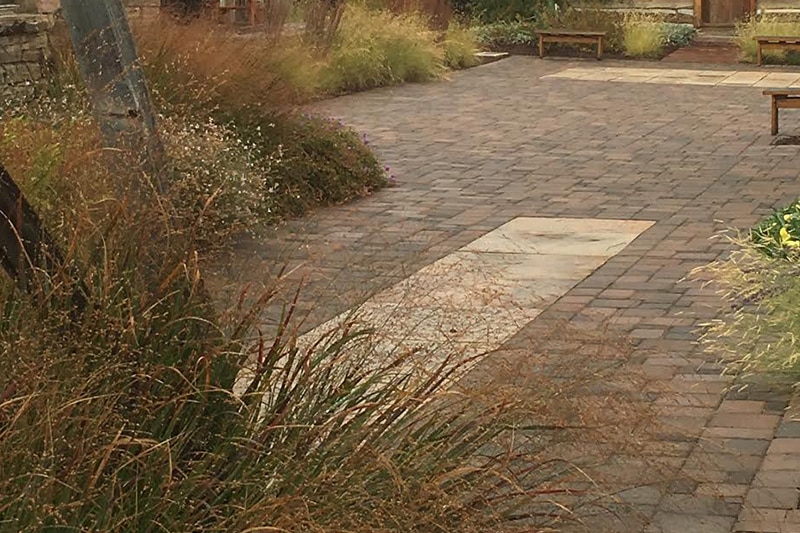
Interlocking concrete pavers are engineered specifically for durability. Quality pavers rated for freeze-thaw conditions (look for an absorption rate under 5%) can last 25-30 years with minimal maintenance. They’re available in countless colors, shapes, and textures, including options that closely mimic natural stone at a fraction of the cost.
Stamped concrete is another option we install frequently throughout Louisville and Boulder County. It allows for custom patterns, from flagstone looks to geometric designs, and creates a seamless surface that’s easy to clean. The key to longevity with stamped concrete is proper sealing, we recommend resealing every 2-3 years to protect against UV damage and moisture penetration.
For patios and outdoor living spaces, we often discuss the pros and cons of each approach with our clients. Pavers offer easier repairs (you can replace individual pieces if needed), while poured concrete provides a more uniform surface for outdoor furniture. Both work well in our climate when installed correctly with proper base preparation and drainage.
One relatively newer option we’ve been excited about is permeable pavers. These allow water to drain through the surface rather than running off, which helps manage stormwater and can reduce irrigation needs for adjacent plantings. Given Louisville’s occasional heavy rains and ongoing water conservation concerns, permeable surfaces are worth considering for driveways and larger patio areas.
Mulch and Ground Cover Choices
Mulch might seem straightforward, but the wrong choice in Colorado can create headaches, or blow away in our notorious spring winds.
Organic mulches like shredded cedar or pine bark work well in protected areas and garden beds. They retain moisture, moderate soil temperature, and break down over time to improve soil health. Cedar has the added benefit of natural pest resistance. But, organic mulches need replenishing every 1-2 years and can become problematic in fire-prone areas.
For many Louisville landscapes, we recommend considering rock mulch or gravel in at least some areas. Pea gravel, crushed granite, and decorative river pebbles don’t blow away, won’t decompose, and actually reflect heat away from plant roots during our intense summer afternoons. They’re also more fire-resistant, an increasingly important consideration along Colorado’s urban-wildland interface.
Rubber mulch (made from recycled tires) has gained popularity for playgrounds and some commercial applications, but we generally don’t recommend it for residential landscapes. It doesn’t improve soil health, can get uncomfortably hot in direct sun, and doesn’t match the natural aesthetic most Louisville homeowners want.
The best approach is often a combination: organic mulch in heavily planted beds where soil improvement matters, and rock mulch in exposed areas, around fire features, or as transitions to hardscaping. We help clients think through these decisions based on their specific property and priorities.
Drought-Tolerant Soil Amendments
Colorado’s semi-arid climate and water restrictions mean smart soil preparation is essential for landscape success. The right amendments can dramatically reduce irrigation needs while helping plants establish stronger root systems.
Compost is the foundation of healthy Colorado soil. Our native clay benefits enormously from organic matter, it improves drainage, reduces compaction, and feeds beneficial soil microbes. We typically work 3-4 inches of quality compost into planting beds before installation.
For areas with particularly challenging clay, we sometimes incorporate expanded shale or pumice. These porous materials create permanent air pockets in the soil, improving drainage and root penetration for years to come. Unlike compost, they don’t break down, so the benefits are long-lasting.
Mycorrhizal inoculants are another tool we use, especially when planting native species and perennials. These beneficial fungi form partnerships with plant roots, dramatically expanding their ability to access water and nutrients. In drought conditions, mycorrhizae-treated plants consistently outperform those without.
One amendment to approach carefully is peat moss. While it does improve soil structure, it’s harvested from non-renewable bog ecosystems and becomes hydrophobic (water-repellent) when it dries out completely, which happens frequently in Colorado. Coconut coir is a more sustainable alternative with similar benefits.
Retaining Wall Materials for Sloped Terrain
Louisville’s terrain isn’t flat. Many properties feature slopes that require retaining walls for usable outdoor space, erosion control, or simply aesthetic definition. The material you choose depends on wall height, budget, and the look you’re after.
For walls under 3 feet, dry-stacked boulders offer a timeless, natural appearance that fits perfectly with Colorado landscapes. We source most of our boulders locally, which keeps costs down and ensures the stone looks at home in the environment. Properly placed, boulder walls can last generations with zero maintenance.
Segmental retaining wall blocks (SRW) are engineered for stability and come in various styles, from rough-hewn natural looks to clean modern lines. They’re excellent for taller walls and situations requiring precise engineering. Most quality SRW systems are rated for Colorado’s freeze-thaw conditions and come with manufacturer warranties.
For contemporary landscapes, poured concrete or concrete panel walls create sleek, architectural statements. These require more planning and engineering but offer complete design flexibility. We’ve built concrete walls with integrated lighting, water features, and custom finishes that become focal points rather than just functional elements.
Regardless of material, proper drainage behind any retaining wall is non-negotiable in our climate. We install drainage fabric, gravel backfill, and weep systems on every wall project. Skipping these steps is the fastest way to guarantee failure, and we’ve repaired plenty of walls where corners were cut.
Choosing Locally Sourced and Sustainable Options
There’s a practical case for choosing local materials beyond just supporting Colorado businesses. Stone, gravel, and soil amendments sourced from nearby quarries and suppliers are adapted to our conditions by nature. They also cost less to transport, which typically means savings for homeowners.
At J & S Landscape, we’ve built relationships with suppliers throughout Northern Colorado over the years. This means we can often source materials that perfectly match existing stonework on a property, or find unique pieces, like specimen boulders or specific flagstone colors, that would be difficult to obtain otherwise.
Sustainability also means choosing materials with longevity. A patio that lasts 50 years is inherently more sustainable than one that needs replacement in 15, regardless of what it’s made from. We always discuss expected lifespan, maintenance requirements, and lifecycle costs with our clients. Sometimes the “cheaper” option up front ends up costing more over time.
Recycled and reclaimed materials are worth considering too. Reclaimed brick, salvaged stone, and recycled concrete aggregates can add character while reducing demand for new extraction. These materials aren’t right for every project, but when they fit the design vision, they’re excellent choices.
Water-wise plant selections go hand-in-hand with material choices. Native perennials, ornamental grasses, and drought-adapted shrubs require less irrigation and thrive in our conditions with minimal intervention. We help clients select plantings that complement their hardscape materials while reducing long-term water and maintenance needs.
Conclusion
Building a landscape that thrives in Louisville’s demanding climate comes down to understanding our unique conditions and selecting materials accordingly. From the flagstone on your patio to the amendments in your soil, every choice either works with our environment or against it.
The materials we’ve covered, natural stone, quality pavers, appropriate mulches, soil amendments, and durable wall systems, all share common traits: they handle freeze-thaw cycles, tolerate intense UV exposure, and work with (not against) our expansive clay soils. When combined with proper installation techniques and smart design, these materials create outdoor spaces that genuinely improve with age.
At J & S Landscape, we’ve been helping Louisville homeowners navigate these decisions for years. We know which local quarries have the best flagstone, which paver brands hold up to Colorado winters, and how to prepare soil so plants actually thrive. If you’re planning a landscape project, whether it’s a simple patio refresh or a complete outdoor living transformation, we’d love to discuss your options.
Your landscape should handle whatever Colorado throws at it, from January cold snaps to August thunderstorms. Choose the right materials from the start, and you’ll spend less time worrying about repairs and more time enjoying those 300 days of sunshine.